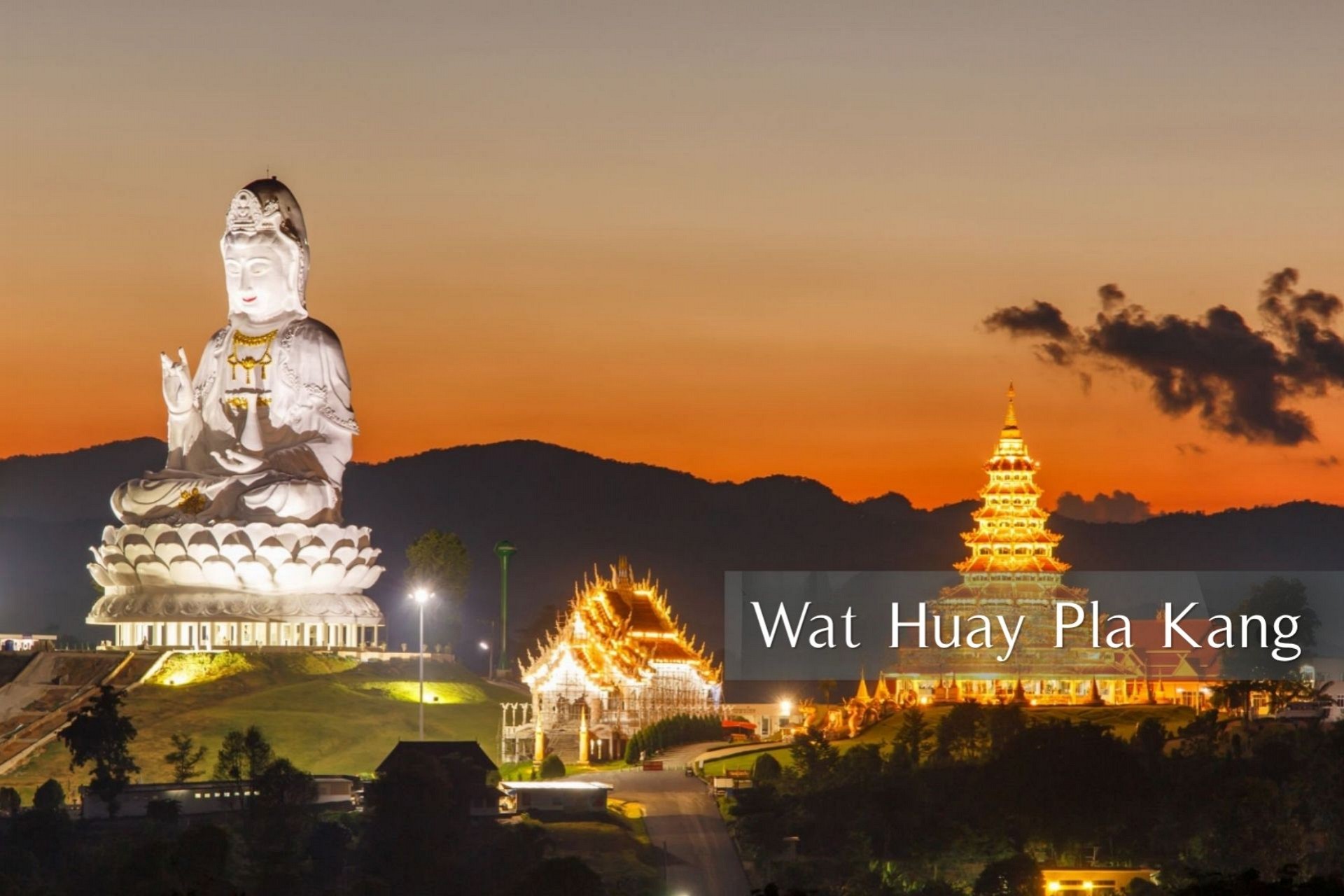
Are you planning a trip to Northern Thailand and looking for the perfect Chiang Rai itinerary? Welcome to the former capital of the sovereign Lanna Kingdom. Founded in 1262 by King Mengrai, Chiang Rai is a land steeped in over 760 years of history, rich ethnic diversity, and unparalleled geographical wonders.
As a licensed professional tour guide with over a decade of experience guiding travelers through the hills of Lanna, I have crafted this 3-day Chiang Rai itinerary to take you beyond the typical tourist traps. You will decode ancient history, witness breathtaking contemporary art, and experience the local socio-geographic shifts from the opium trade to world-class coffee farming.
Day 1: Contemporary Art, Spiritual Roots, and Local Flavors (Chiang Rai City)
Day 2: The Golden Triangle, Opium History, and Border Geopolitics (Mae Sai & Chiang Saen)
Day 3: Highland Geography, Ethnic Culture, and the Tea-Coffee Revolution (Doi Chang & Mae Chan)
On your first day, explore the Chiang Rai Plains—a fertile alluvial basin of the Kok River that served as the cradle of Lanna civilization. Today, it is a global hub for avant-garde Thai Buddhist art.
The Cultural Insight: Designed by National Artist Chalermchai Kositpipat, this is not just a temple, but a profound visual metaphor for the Buddhist cosmology. The pure white exterior symbolizes the purity of the Buddha, while the mirror fragments represent his self-reflecting wisdom. To enter the main chapel (representing Nirvana), you must cross a bridge over a sea of reaching hands—symbolizing the human cycle of suffering, greed, and desire (Samsara).
Guide’s Pro-Tip: Arrive exactly at 08:00 AM. Not only will you beat the tour buses, but the morning sun hits the mirrors perfectly, creating a surreal, ethereal glow.
The Cultural Insight: Created by the late Thawan Duchanee, another legendary National Artist, Baan Dam is the philosophical antithesis to the White Temple. If Wat Rong Khun represents heaven, Baan Dam explores the darkness and mortality inherent in nature. The compound features over 40 traditional Lanna-style wooden structures housing a vast, haunting collection of animal skins, horns, and bones arranged into powerful artworks.
The Cultural Insight: Designed by "Putha" (a student of Chalermchai), this temple represents a vibrant evolution of contemporary Lanna art. The striking sapphire blue symbolizes the infinite nature of the Dhamma (Buddhist teachings). Inside, a massive, pearl-white Buddha statue sits framed by psychedelic, electric-blue murals, offering a stark contrast to traditional gold-and-red Thai temples.
The Light Show: At 07:00 PM, 08:00 PM, and 09:00 PM, gather at the ornate Golden Clock Tower (also designed by Chalermchai) to watch it change colors in a synchronized light-and-sound show.
Local Food Highlight: Head to the nearby Night Bazaar and try Khao Soi (a rich coconut curry noodle soup) or Sai Oua (Northern Thai grilled herbal pork sausage).
Travel north along Highway 1 to delve into the complex border history and socio-geography where three nations meet.
1.The Royal Villa and Mae Fah Luang Garden:09:00 AM - Doi Tung
Perched high on the Daen Lao Range, visit the Swiss-style chalet villa of the late Princess Mother. Learn about the sustainable socio-geographic transformation she pioneered, which turned this former "bald mountain" plagued by slash-and-burn farming and opium cultivation into thriving economic forests.
2.The Golden Triangle Viewpoint:01:00 PM - Sop Ruak
Stand at the exact convergence of Thailand, Myanmar (Shan State), and Laos (Bokeo Province), divided by the natural borders of the Mekong and Ruak Rivers. Take a private long-tail boat ride down the Mekong River to witness the stark contrast between traditional river life and the modern economic zones lining the riverbanks.
3.The Hall of Opium Museum:03:00 PM - Historical Insight
This world-class multimedia museum provides an immersive look into the 5,000-year history of opium, the Opium Wars, and how this specific border region became the global epicenter of illicit drug trafficking during the 20th century. It is a vital stop for understanding Chiang Rai's modern socio-political landscape.
Chiang Rai’s geography—characterized by rugged mountains rising above 1,000 meters, mist-shrouded valleys, and a cool climate—makes it the undisputed coffee and tea capital of Thailand.
The Geographic Appeal: Famous for its terraced green tea fields carved gracefully into rolling hills, Choui Fong is an architectural marvel. The onsite cafe features an award-winning minimalist design that integrates seamlessly with the surrounding landscape.
Must-Try: A fresh iced matcha latte paired with their signature green tea crepe cake while soaking in the panoramic valley views.
The Ethnological Insight: Doi Chang is home to the Akha hill tribe. In a brilliant feat of community-led agricultural transition, these indigenous people completely abandoned opium farming to grow premium, single-origin Arabica coffee. Today, Doi Chang coffee is globally recognized with EU Protected Geographical Indication (PGI) status.
The Experience: Explore the mist-covered peaks, visit local micro-roasters, and enjoy a cup of specialty coffee at one of the trendy mountain-view cafes. Before heading down, stop by Akha Farmville, a scenic sheep farm overlooking the mountains that feels more like the Swiss Alps than Southeast Asia.
| Planning Factor | Local Expert Recommendation |
| Best Time to Visit Chiang Rai | November to February (Cool, dry season with morning sea-of-mist phenomena) / June to October (Green rainy season, great for misty landscapes and fewer crowds) |
| How to Get Around | Places of interest are spread across different districts and steep mountains. Hiring a private car with a driver or renting a vehicle is highly recommended over public transport. |
Guide's Final Thought: While a 3-day Chiang Rai itinerary covers the primary cultural and historical highlights, you can easily extend your trip by two days to catch the spectacular sunrise at Phu Chi Fa or explore the Chinese diaspora heritage on Doi Mae Salong.
Restaurant
Swimming Pool
Receptionist
Free Wifi
286/1 Moo 2, Rimkok, Mueang, Chiang Rai, 57100
Riva Vista Resort, Chiang Rai 2026 All Rights Reserved, Hotel CMS Website Design | Hotel Booking Engine by Hoteliers.Guru









 Book Now


